How to Grow Mushrooms at Home: A Beginner’s Guide
Plan a small edible-mushroom project, choose a suitable kit, follow product-specific care, and prepare for your first harvest.
Home growing
Start with one clearly identified edible kit, a suitable spot, and a little curiosity. Let the instructions lead the way.
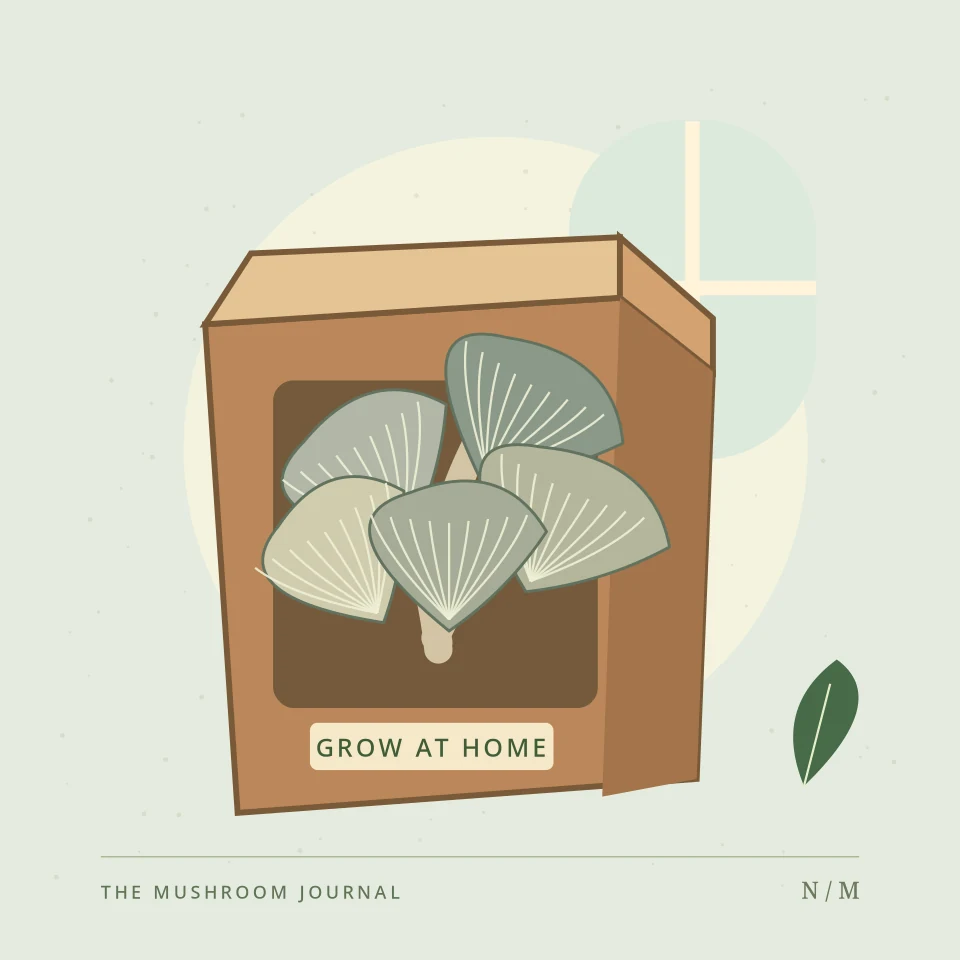
A small, ready-to-fruit mushroom kit can be a manageable introduction to home cultivation. Start by understanding what you are receiving and which stage you will be responsible for. A prepared block, loose spawn, and an inoculated log are different starting points, not interchangeable beginner products.
Our home-growing beginner guide explains how to choose the scope of your first project. The aim is to learn observation and care without assuming you need a laboratory, a dedicated growing room, or a collection of accessories before you begin.
Read the supplier's stated requirements before buying. Compare its temperature, light, moisture, and airflow needs with a location you can actually provide. Check that space at different times of day rather than judging it from one comfortable moment. Keep normal household ventilation and avoid creating persistent dampness in a living area.
The oyster kit guide covers practical purchasing questions: product identity, included materials, instructions, delivery timing, and support. It does not rank brands or promise a particular yield. A suitable project should fit your schedule as well as your shelf.
Read the entire setup procedure before cutting, soaking, opening, or moving any component. Different kits can need different care even when their mushroom names sound similar. Keep the instructions and order information available, and ask the supplier when a direction is unclear rather than mixing methods from unrelated tutorials.
Cornell Small Farms' cultivation overview explains the wider distinction between growing systems. Our household guides adapt that big picture into a small-project planning framework; they do not supply commercial production specifications.
Keep a short record of the setup date, location, care actions, and visible progress. If a supplier recommends an adjustment, make one change at a time and note it. The growing mistakes guide explains why constant improvisation can make a problem harder to understand.
Unexpected growth or uncertain deterioration is a reason to stop food use and ask for help. Do not taste, closely sniff, chemically treat, or scrape away suspicious material in an attempt to rescue it. Website illustrations and photographs cannot certify a crop's safety.
Read the kit's harvesting instructions before the crop is ready, and choose a simple meal in advance. Store harvested food appropriately and cook cultivated specialty mushrooms thoroughly. Our fresh mushroom handling guide covers the transition from a completed growing project to everyday cooking.
Keep exploring
Plan a small edible-mushroom project, choose a suitable kit, follow product-specific care, and prepare for your first harvest.
Compare kit types, space requirements, instructions, contents, and support without relying on brand rankings or harvest promises.
Troubleshoot a home kit with clearer observations, consistent instructions, and sensible stopping points instead of guesswork.